BPM360 Podcast
← All guests

Mirko Kloppenburg

Process management and orchestration expert, speaker at Celonis Celosphere

4 episodes

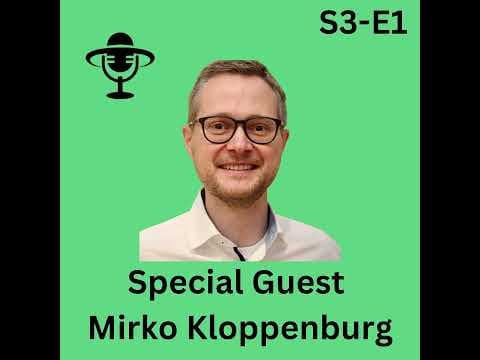
 In this episode of the BPM360 Podcast, hosts Caspar and Russell kick off with autumn vibes, coding beats in strudel.cc, and the parallels between creative open-source communities and process-management ecosystems. The discussion leads into a special segment: a live, on-site interview with Mirko Kloppenburg, returning to the show directly from Celonis Celosphere.   Mirko shares his impressions from the event, including the atmosphere of reunion, the buzz around process orchestration, and insights from hosting his standing-room-only brain date on building a process-driven organization. Together, Caspar and Mirko dive into the realities of cultural change, the pitfalls of oversimplified BPM narratives, and the increasing convergence of process management, mining, and orchestration technologies — while staying skeptical about fully replacing specialized operational systems.  Back in the studio, Russell and Caspar reflect on Mirko’s perspectives: the time it takes to build true process culture, the challenges of best-of-breed vs. best-of-suite, and how organizations like Techniker Krankenkasse structure their internal BPM and automation functions for success. The episode ends with a shared conviction: process excellence is as much about people and culture as it is about software.  ⭐ Top 5 Takeaways 1) Culture eats BPM for breakfast. Building a process-driven organization takes time and relies far more on mindset, shared language, and process ownership than on tools alone. 2) Convergence doesn’t mean replacement. Even as process mining, modeling, and orchestration converge in platforms, core operational systems won’t simply disappear — API-driven integration remains key. 3) Simplicity attracts, complexity sustains. Like Strudel’s web version vs. its deeper coding layers, BPM needs both: fast wins to excite people and strong governance to keep things running. 4) Community matters as much as technology. Events like Celosphere succeed because they bring people together — cross-pollinating ideas, experiences, and practical lessons that pure tooling can’t deliver. 5) Best-of-breed vs. best-of-suite is still an open battle. Large organizations seek harmony across mining, architecture, BPM, and orchestration — but finding the right compromise often matters more than choosing one camp.   We hope you enjoy our BPM Podcast. Subscribe and stay tuned for more. Please send us your comments and questions to questions@bpm360podcast.com (mailto:questions@bpm360podcast.com)

 In this sizzling summer finale of BPM360 – Covering Every Angle, Caspar and Russell take a reflective and witty journey through the highlights of Season 3. What began with pool-cleaning confessions and festival weather banter quickly turned into a deep dive into process thinking, change facilitation, and agentic AI.  🧩 Key Takeaways from Season 3:  • Human-Centric BPM with Mirko Kloppenburg: Empathy, trust, and process models as cultural drivers—on the road and in the boardroom. • Academic Legends: From the origin of process mining with Wil van der Aalst to enterprise architecture with Prof. Scheruhn, this season honoured the foundational thinkers. • Cut the Crap: Roland Woldt helped us slice through BPM noise with sharp insights on architecture and transformation habits. • Facilitating Change: Stefan Hauenschild and Gary Cox reminded us that no process survives without people—change starts with empathy and ends in action. • Underrated Truths: Iris Beerepoot brought attention to the “gray zone” of undocumented processes—especially in healthcare—while Russell and Caspar tackled agentic AI, Lego-based modelling metaphors, and why some process hierarchies just don’t make sense. • Community & Events: With reflections from the Automation Summit in Split and a peek behind the curtain of BPM conferences, the season underscored the value of authentic practitioner dialogue. 🎁 Bonus: A surprise giveaway of Roland Woldt’s signed book “Successful Architecture Implementation” – for those bold enough to shape the next season! 🔍 Call to Action Have ideas for Season 4? A dream guest? A fresh angle? Or a critique on whether we’re really covering every angle? Email us at: questions@bpm360podcast.com Or comment on our Season 3 finale post on LinkedIn – and win a signed copy of Roland’s book!   We hope you enjoy our BPM Podcast. Subscribe and stay tuned for more. Please send us your comments and questions to questions@bpm360podcast.com (mailto:questions@bpm360podcast.com)

Ep. 2

In this engaging episode of BPM360 Covering Every Angle, Caspar and Russell sit down with Mirko Kloppenburg, a renowned advocate for human-centric process management and the host of his own BPM-related podcast. The conversation dives deep into the human side of BPM, exploring how understanding emotions, fostering transparency, and inspiring collaboration can transform process management. Mirko shares his personal journey into BPM, starting with an internship at Lufthansa Cargo, and reveals how pivotal moments in his career shaped his people-first approach to processes. From discussing the importance of involving employees in process initiatives to reflecting on the challenges of creating sustainable BPM cultures, this episode offers actionable insights and heartfelt anecdotes for both BPM veterans and newcomers. Key Takeaways: 1.The Importance of Human-Centric BPM: •BPM’s success is not just about tools and methodologies but also about how processes affect and engage people. •Measuring process success by employee acceptance and satisfaction can lead to better outcomes. 2.Starting with Purpose: •Always define the “why” behind BPM initiatives. A clear and emotionally resonant purpose inspires people to contribute and adopt processes. 3.Involving Employees: •Transparent communication and active involvement of employees in workshops and process discussions are critical for fostering trust and ownership. 4.Challenges in Cultural Shift: •People often avoid discussing emotions in corporate settings, but addressing how employees feel about processes can uncover valuable insights. •Encouraging dialogue in a safe space can lead to meaningful changes and improved collaboration. 5.Role of Process Owners and Architects: •Process owners must understand their accountability and act as champions for their processes. •Process architects, often overlooked, are the unsung heroes of BPM, bridging technical and human aspects. 6.Process Mining and Real-World Context: •Process mining tools are powerful, but the real value lies in pairing data with the contextual knowledge of process experts. •Not every deviation is a problem; understanding the reasons behind them is crucial. 7.Building a Process-Driven Organization Takes Time: •Achieving BPM maturity often takes decades and requires consistent investment in people, tools, and culture. •Organizations that embed BPM deeply into their DNA make it resilient to disruptions. 8.The Role of Recognition: •Highlighting the contributions of process experts and owners fosters a sense of value and encourages further engagement. 9.Corporate Amnesia and BPM Sustainability: •BPM initiatives are sensitive to disruptions, such as leadership changes, and require constant reinforcement to maintain momentum. 10.The Future of BPM: •Transparency, trust, and collaboration are pivotal for BPM’s evolution. As organizations continue their BPM journeys, focusing on the human element will be key to long-term success. This episode underscores the necessity of balancing technical precision with emotional intelligence in BPM. Mirko Kloppenburg’s insights and passion for human-centric process management leave listeners inspired to rethink their approach to BPM, making it as much about people as it is about processes. Outro with Music We hope you enjoy our BPM Podcast. Subscribe and stay tuned for more. Please send us your comments and questions to questions@bpm360podcast.com

In this engaging episode of BPM360 Covering Every Angle, Caspar and Russell sit down with Mirko Kloppenburg, a renowned advocate for human-centric process management and the host of his own BPM-related podcast. The conversation dives deep into the human side of BPM, exploring how understanding emotions, fostering transparency, and inspiring collaboration can transform process management. Mirko shares his personal journey into BPM, starting with an internship at Lufthansa Cargo, and reveals how pivotal moments in his career shaped his people-first approach to processes. From discussing the importance of involving employees in process initiatives to reflecting on the challenges of creating sustainable BPM cultures, this episode offers actionable insights and heartfelt anecdotes for both BPM veterans and newcomers. Key Takeaways: 1.The Importance of Human-Centric BPM: •BPM’s success is not just about tools and methodologies but also about how processes affect and engage people. •Measuring process success by employee acceptance and satisfaction can lead to better outcomes. 2.Starting with Purpose: •Always define the “why” behind BPM initiatives. A clear and emotionally resonant purpose inspires people to contribute and adopt processes. 3.Involving Employees: •Transparent communication and active involvement of employees in workshops and process discussions are critical for fostering trust and ownership. 4.Challenges in Cultural Shift: •People often avoid discussing emotions in corporate settings, but addressing how employees feel about processes can uncover valuable insights. •Encouraging dialogue in a safe space can lead to meaningful changes and improved collaboration. 5.Role of Process Owners and Architects: •Process owners must understand their accountability and act as champions for their processes. •Process architects, often overlooked, are the unsung heroes of BPM, bridging technical and human aspects. 6.Process Mining and Real-World Context: •Process mining tools are powerful, but the real value lies in pairing data with the contextual knowledge of process experts. •Not every deviation is a problem; understanding the reasons behind them is crucial. 7.Building a Process-Driven Organization Takes Time: •Achieving BPM maturity often takes decades and requires consistent investment in people, tools, and culture. •Organizations that embed BPM deeply into their DNA make it resilient to disruptions. 8.The Role of Recognition: •Highlighting the contributions of process experts and owners fosters a sense of value and encourages further engagement. 9.Corporate Amnesia and BPM Sustainability: •BPM initiatives are sensitive to disruptions, such as leadership changes, and require constant reinforcement to maintain momentum. 10.The Future of BPM: •Transparency, trust, and collaboration are pivotal for BPM’s evolution. As organizations continue their BPM journeys, focusing on the human element will be key to long-term success. This episode underscores the necessity of balancing technical precision with emotional intelligence in BPM. Mirko Kloppenburg’s insights and passion for human-centric process management leave listeners inspired to rethink their approach to BPM, making it as much about people as it is about processes. We hope you enjoy our BPM Podcast. Subscribe and stay tuned for more. Please send us your comments and questions to questions@bpm360podcast.com (mailto:questions@bpm360podcast.com)